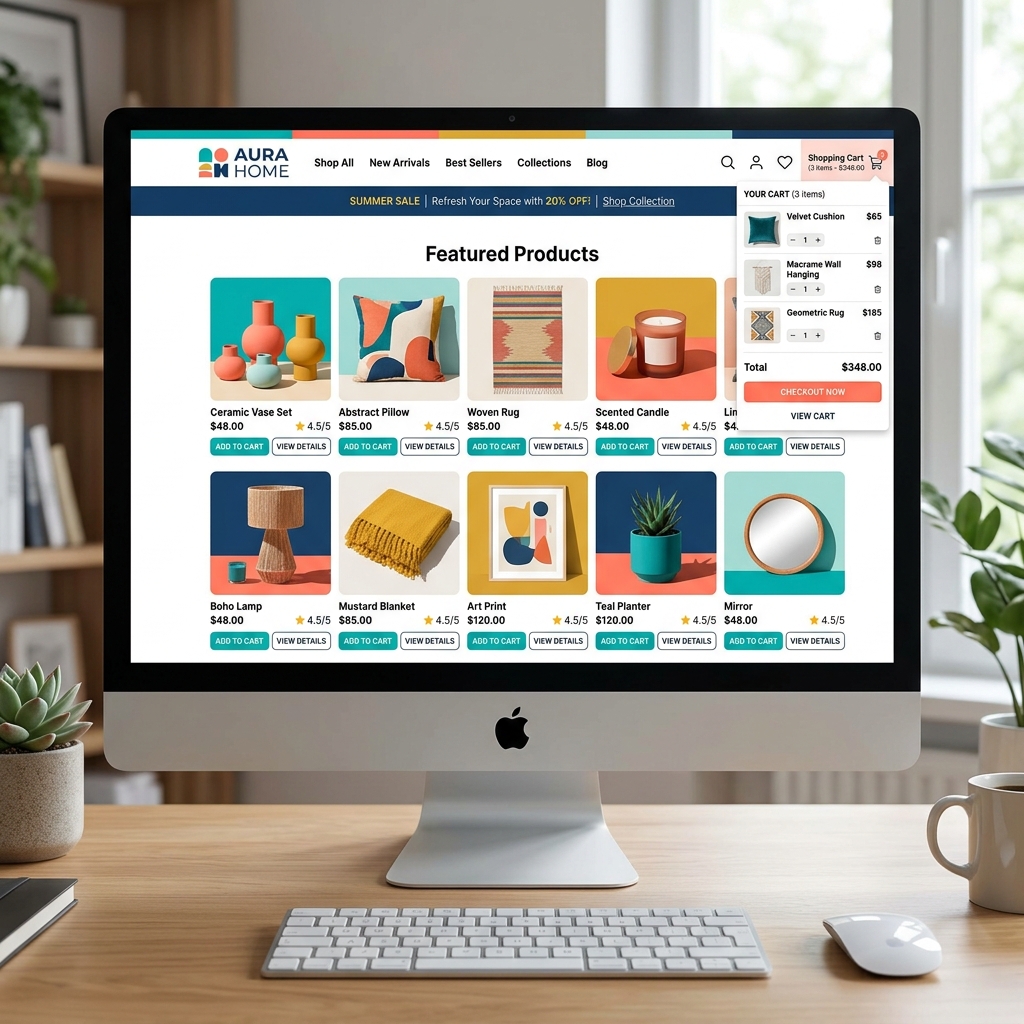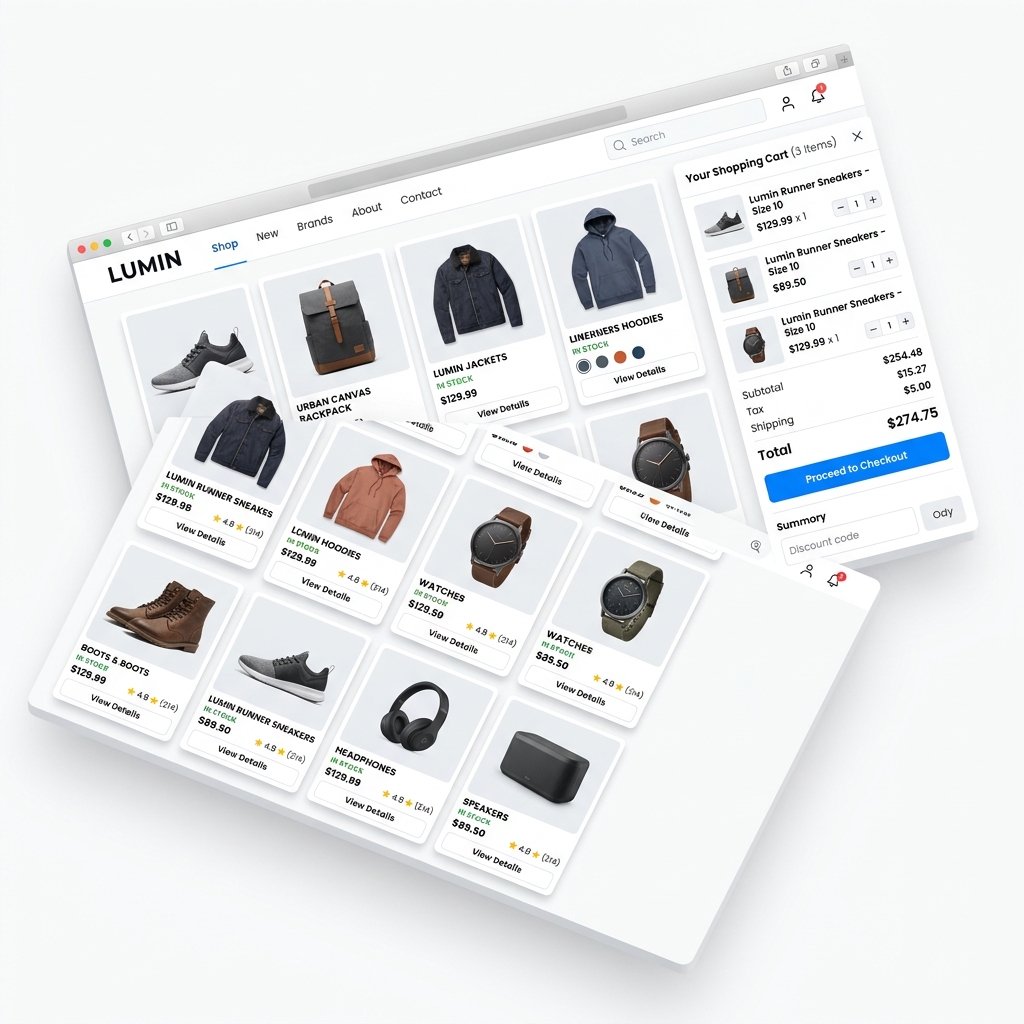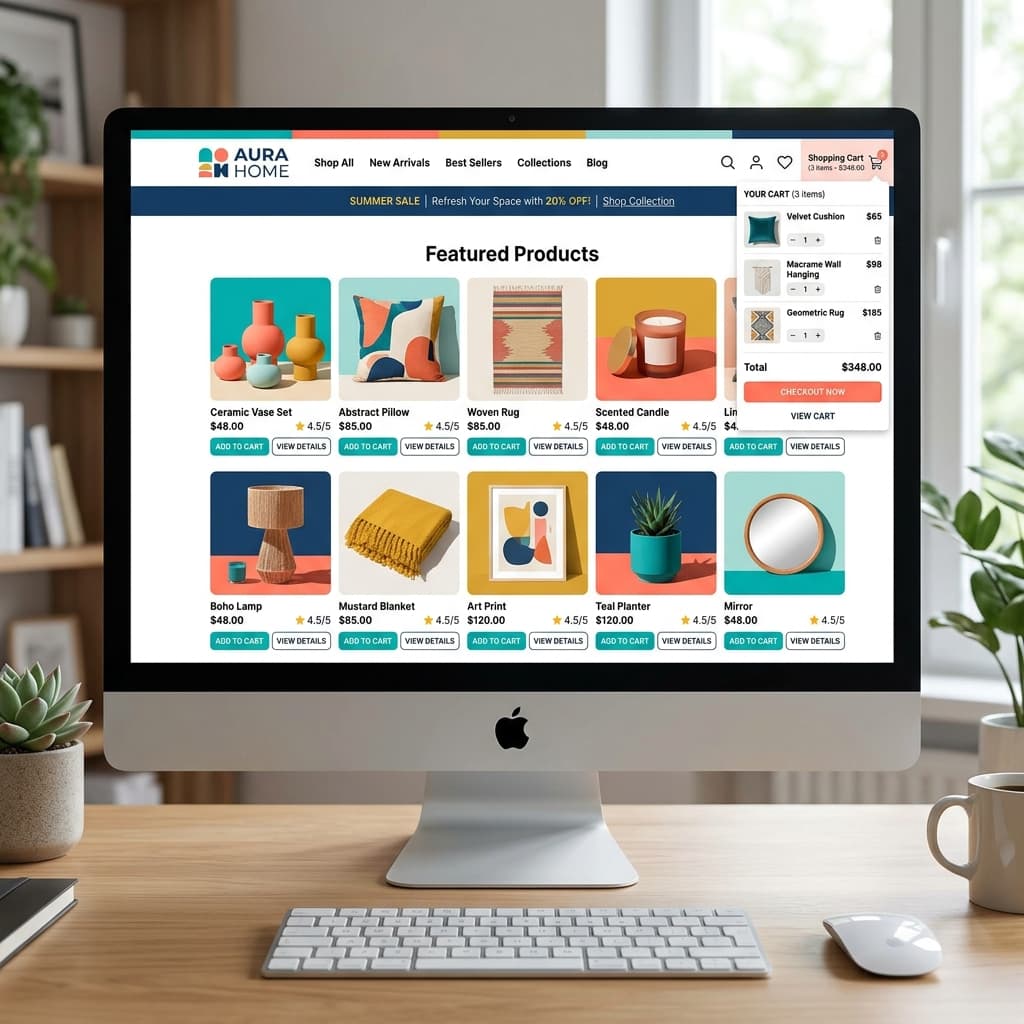
This field guide on Ecommerce Site is written for operators evaluating software in 2026. Custom single/multi-vendor storefronts with payments.
Why Ecommerce Site Matters in 2026
Teams still juggling spreadsheets and disconnected apps lose time, money, and trust. A focused Ecommerce Site stack from Solaris Infotech centralizes workflows under one login, so leaders see the same truth as frontline staff. Category: Web Solutions.
Across hundreds of implementations, the pattern is consistent: when Ecommerce Site is adopted with clear ownership, scalable catalog becomes measurable within the first quarter.
Core Modules You Should Expect
Modern buyers should insist on depth—not just a pretty dashboard. For Ecommerce Site, prioritize:
- Catalog — production-ready for day-to-day teams.
- Cart — production-ready for day-to-day teams.
- Payments — production-ready for day-to-day teams.
- Orders — production-ready for day-to-day teams.
- Seller Panel — production-ready for day-to-day teams.
- SEO — production-ready for day-to-day teams.
Implementation Blueprint
- Discovery (Week 1–2): Map processes, data sources, roles, and success metrics for Ecommerce Site.
- Configuration (Week 3–5): Turn on modules such as Catalog, define permissions, and import master data carefully.
- Pilot (Week 6–7): Run a branch or department on live data with dual-entry if needed.
- Training & Go-Live (Week 8+): Role-based training, SOPs, and a hypercare window with Solaris support.
Business Benefits
- Conversion-focused UX
- Secure checkout
- Scalable catalog
- Marketing hooks
“After standardizing on Ecommerce Site, our weekly review meetings went from status arguments to decision-making.” — Operations lead, Solaris customer story composite
Who Gets the Most Value
- D2C brands
- Marketplaces
- Retail expansion
Security, Hosting & Continuity
Pair Ecommerce Site with the right infrastructure: SSL, scheduled backups, and hosting sized for concurrent users. Solaris Infotech can host on shared, VPS, cloud, or dedicated plans and enable disaster recovery so 2026 incidents do not become outages.
Practical Tips for 2026
- Start with the highest-pain module first (Catalog), then expand.
- Define KPIs before go-live: cycle time, error rate, recovery, and adoption.
- Integrate only after the core process is stable—APIs amplify mess if the process is messy.
- Schedule quarterly reviews to retire unused fields and reports.
How Solaris Infotech Helps
We design, implement, host, and support Ecommerce Site with Indian SME realities in mind—GST, multi-branch ops, training bandwidth, and 24×7 uptime expectations. From discovery workshops to post-go-live SLAs, our goal is a system your team actually uses every day.
Next step: Request a demo of Ecommerce Site, bring a real process map, and we will show the closest configuration path for your industry. Title context: “Vendor Evaluation Scorecard for Ecommerce Site in 2026”.
Gallery